


99 In stock
Couldn't load pickup availability
Discuss Your Project With Our Expert.
Email: procurement@rubberfitfloors.co.uk
Address: 9 Fiveacre Close, Thornton Heath CR7 6AS
Estimated delivery: 3 - 5 Working Days from Order Date.
Free Shipping For Orders Over £100
Stair Nosing PVC Grey 70x40mm 1.5m Anti-Slip Wavy Groove Safety Edge Longlasting
Stair Nosing PVC Grey 70x40mm 1.5m Anti-Slip Wavy Groove Safety Edge Longlasting
Text block
99 In stock
Discuss Your Project With Our Expert.
Email: procurement@rubberfitfloors.co.uk
Address: 9 Fiveacre Close, Thornton Heath CR7 6AS
Estimated delivery: 3 - 5 Working Days from Order Date.
Free Shipping For Orders Over £100


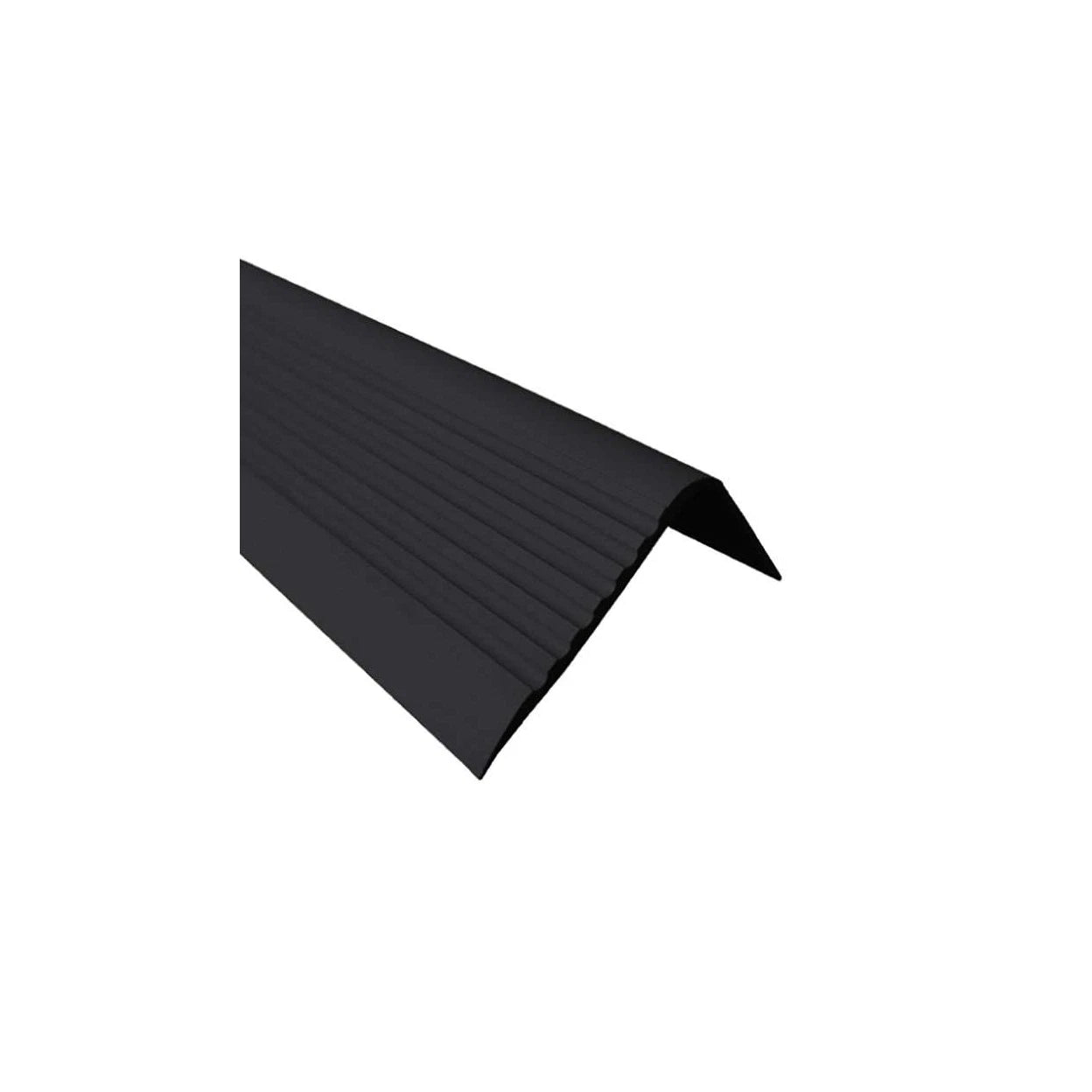
Improve Grip and Protect Exposed Stair Edges
The front edge of a stair is exposed to repeated contact whenever the staircase is used. Over time, this pressure can wear down the floor covering, damage the corner and leave the step looking unfinished. This grey PVC stair nosing provides a practical way to cover the exposed edge while introducing a textured surface at an important point of foot contact.
The profile measures 1.5 metres in length and has overall dimensions of 70mm x 40mm. Its generous coverage can help create a clearly defined edge across the upper and front sections of a step, although the exact fit should always be checked against the intended staircase before installation.
A neutral grey finish allows the nosing to coordinate with many common flooring colours without creating the strong metallic appearance associated with aluminium trims. It can work particularly well with grey, black and neutral-toned floor coverings where a practical, understated finish is preferred.
How the Wavy Grooves Support Foot Contact
The leading edge is one of the most important areas of a step because it is where the foot lands during descent and pushes away during ascent. A smooth, worn or damaged edge can offer less surface texture, particularly when dust or light moisture is present.
The repeated wavy grooves create raised and recessed sections across the contact area. This textured pattern is designed to support traction compared with a completely smooth PVC surface. It may also help prevent the step edge from feeling flat or polished underfoot after everyday use.
The available product information does not include an independently tested slip-resistance value or recognised safety classification. The anti-slip description should therefore be understood as a design feature rather than a certified performance rating.
Why PVC Is Practical for Stair-Edge Finishing
PVC is often selected for stair-edge trims because it offers a different feel and appearance from rigid metal profiles. It can provide a defined protective covering without introducing a cold metallic finish, making it suitable for interior schemes where a softer visual result is preferred.
The material is relatively straightforward to handle and may be easier to trim than some metal alternatives when the profile needs to be shortened. However, it should still be cut using an appropriate tool and supported properly to avoid an uneven or damaged edge.
PVC can accommodate normal day-to-day contact, but it should not be treated as a structural repair material. If the existing step is cracked, loose, heavily worn or unstable, those problems must be corrected before the stair nosing is installed.
Understanding the 70mm x 40mm Profile
The 70mm x 40mm measurement describes the overall size of the stair-nosing profile. It should be compared carefully with the upper tread area and the front face of the intended step.
A larger profile can provide more coverage over a worn or unfinished edge, but it must not interfere with the normal use of the staircase. The nosing should sit securely against the step without projecting excessively, rocking or leaving large unsupported gaps.
The supplied information does not confirm which dimension covers the tread and which covers the front edge. These measurements should therefore be verified against the actual cross-section of the product before cutting or permanent installation.
Floor-covering thickness also matters. Carpet, vinyl, laminate, wood and other surfaces can change the completed dimensions of the step. Measurements should be taken from the finished staircase rather than from the bare substrate where flooring has not yet been installed.
Using the 1.5m Length Efficiently
The 1.5-metre length may be suitable for a single wide step or for cutting into shorter sections where the combined measurements allow. Planning the cuts before installation can help reduce waste and make better use of the available material.
Measure every stair edge separately and record the required lengths. Do not assume that all steps are identical, as small variations can become visible once the nosings are fitted.
Where more than one section is being cut from the same length, allow for the material removed by the cutting blade. This small cutting allowance can affect the final dimensions when the available length is being divided closely.
The ends should finish neatly within the width of the staircase and should not project beyond the sides of the step. Exposed projections may be more vulnerable to impact and could create an unwanted obstruction.
Preparing the Stair for Installation
The stair surface should be clean, dry, stable and free from loose debris before the nosing is fitted. Dust, grease, moisture and damaged floor covering can prevent the profile from sitting securely.
Any loose carpet edges, broken corners or unstable sections should be repaired first. The nosing must have firm support across the areas where it contacts the tread and front face.
The supplied specifications do not confirm whether adhesive, screws or other fixing accessories are included. They also do not identify one required installation method. Suitable fixings must therefore be selected according to the stair substrate, floor covering and installation environment.
Any adhesive used should be compatible with both PVC and the underlying material. Some products may soften, discolour or fail to bond correctly with certain plastics, so compatibility should be confirmed before full application.
Frequently Asked Questions
What do the 70mm x 40mm measurements refer to?
The 70mm x 40mm figures describe the overall dimensions of the PVC profile rather than its total length. The supplied information does not identify which measurement covers the tread and which covers the front face. Both dimensions should be checked against the actual product profile and completed stair edge before installation.
Can the 1.5m length be cut into smaller sections?
Yes, PVC stair nosing can generally be shortened with a suitable fine-tooth cutting tool. The profile should be measured, clearly marked and firmly supported before cutting. Each stair should be measured separately, and any rough or uneven material should be removed from the cut end before fitting.
How do the wavy grooves improve the surface?
The grooves introduce raised and recessed sections across the contact area, creating more texture than a completely smooth PVC profile. This design is intended to support grip at the stair edge. However, no certified slip-resistance value has been supplied, so the product should not be presented as having a particular tested safety rating.
Is this stair nosing suitable for damaged steps?
It may cover light cosmetic wear and protect an exposed edge from further direct contact, but it cannot repair structural damage. Cracked, loose, broken or unstable stairs must be repaired before installation. The PVC profile requires a solid, level surface to sit securely and perform as intended.
Are adhesive or fixing accessories included?
The available product information does not confirm that adhesive, screws or any other fitting accessories are supplied. A suitable fixing method may need to be purchased separately. Compatibility should be checked carefully because the correct option depends on the PVC profile, stair material and existing floor covering.
Can this profile be fitted over carpet or vinyl?
Potential suitability depends on the thickness, stability and position of the floor covering. The nosing must sit securely without compressing loose material, rocking or leaving unsupported gaps. The finished stair edge should be measured after the floor covering is in place and compared with the complete 70mm x 40mm profile.
Can it be used on outdoor stairs?
The supplied specifications do not confirm suitability for permanent outdoor exposure. Before exterior use, the PVC material, fixing method and installation surface should be checked for compatibility with rain, temperature changes, sunlight and moisture. Indoor or covered applications should not automatically be assumed to perform the same way outdoors.
How should the wavy grooves be cleaned?
Use a soft brush, vacuum attachment or damp cloth to remove dust and grit from the recessed pattern. Cleaning in the direction of the grooves can help lift trapped particles. Mild PVC-compatible cleaning products may be used where required, but strong solvents and abrasive materials should be avoided.
Why is secure fixing important for anti-slip stair nosing?
The textured surface can only provide practical support when the entire profile remains stable. If an end lifts or the nosing moves underfoot, it may create a trip risk. The step should be properly prepared, the fixing method should suit the substrate and the profile should be checked periodically for movement or damage.
At Rubber Fit Floors, we are committed to delivering your orders efficiently and securely to your doorstep. Here’s everything you need to know about our shipping process:
1. Shipping Destinations
We currently ship to the United Kingdom, covering all regions including mainland UK, Northern Ireland, and the Scottish Highlands. If you’re located outside the UK, please get in touch with us to discuss custom shipping options.
2. Processing Time
An order confirmation email does not constitute acceptance of your order. Acceptance occurs only when the order has been dispatched. All orders are processed within 1–2 business days.
Orders placed on weekends or holidays will be processed on the next working day.
3. Delivery Time
Standard Delivery: 3–5 business days.
Express Delivery: 1–2 business days (available at an additional charge).
Delivery times are estimates only and not guaranteed. We are not liable for delays caused by couriers or external factors.
4. Shipping Charges
Standard Delivery: £7.99 (Free for orders over £100).
Express Delivery: £24.95.
For bulky or custom orders, shipping charges will be calculated based on the weight and dimensions of your package.
5. Tracking Your Order
Once your order is dispatched, you will receive an email with a tracking link to monitor your shipment. If you do not receive this information, please contact our support team.
6. Damaged or Lost Shipments
If your order arrives damaged or is delayed beyond the expected delivery time, kindly reach out to us immediately. We will assist you with replacements, refunds, or further inquiries.
7. Contact Us
For any shipping-related questions, feel free to contact our customer support:
📧 Email: procurement@rubberfitfloors.co.uk
📞 Phone: 07404270642
Address: 9 Fiveacre Close, Thornton Heath, CR7 6AS